Describe what is happening
Enter a ZIP code or drop a pin. Location opens the NYC provider index; symptoms refine the search when you have one.
2026 / New York City Care Network based on Urban Forestry
We help you find the primary care tree that is right for you.
Want to explore first? Search by ZIP, neighborhood, or street, or browse every PCT in the network.
Browse all PCTsAlready know what you need? Search by ZIP code or drop a pin, then choose one or more symptoms to see your provider.
Each provider is a living tree with a documented ID, species, address, neighborhood, and coordinate.
Primary Care Tree is a distributed medical network where trees serve as care providers. Using NYC Open Data, we connect New Yorkers with nearby Primary Tree providers through localized care matching and ecological specialties.
The provider index now carries all-fields care profiles: species-linked specialty descriptions, sidewalk clinic descriptions, patient review summaries, wait timing, weekend availability, accessibility scores, and real map coordinates for each tree.
Our network is coordinated by Arbocurists — care specialists who facilitate relationships between people and tree providers.
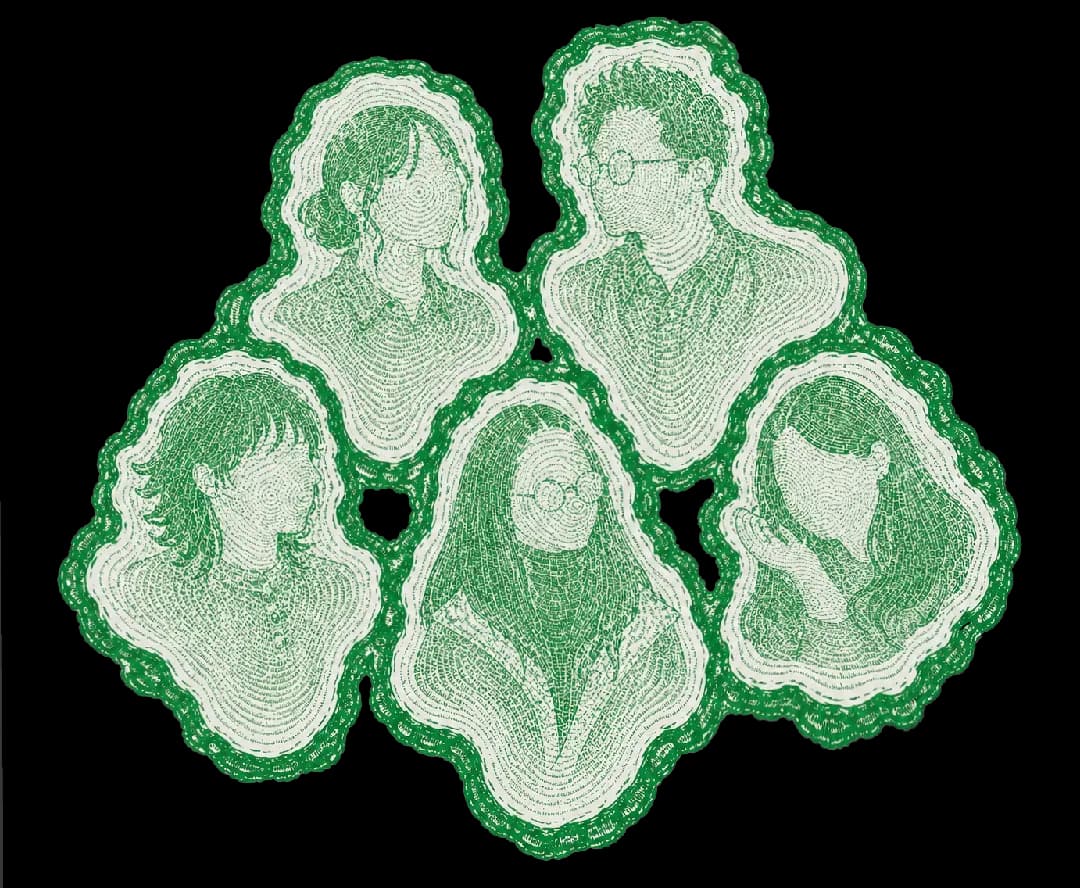
A team of care specialists facilitating relationships between people and tree providers.
See also: Yan Chen, Fanyi Pan, Ruichao Jiang, Lu Lyu, shuang cai
Enter a ZIP code or drop a pin. Location opens the NYC provider index; symptoms refine the search when you have one.
The all-fields provider index weighs species profile, specialty description, care rating, accessibility, wait time, and real coordinates.
Review provider bio, patient summary, services, prescription, office vibe, address, and map location before choosing a visit.
A primary tree is a tree that you can access easily to help guide your care, managing common and uncommon medical problems including persistent symptoms, daily wellness checks, sadness prevention, and referrals to other tree providers.
No. Saws, axes, hatchets, hostile pruning equipment, and bad faith arborist cosplay are not allowed at any provider visit. Bring water, patience, and a willingness to stand still.
The redwood recommended fewer urgent emails, deeper roots, more fungal friendships, and a longer view of the body. It also noted that most human problems are made worse by shallow soil.
Yes. Trees are group-practice specialists. One canopy can hold several appointments at once, especially for heat stress, waiting-room anxiety, post-lunch fatigue, and people who need to be quiet near one another.
Yes. You may keep a winter PCT, a summer shade provider, and a flowering-season specialist. Continuity of care is encouraged, but the system respects that leaves, symptoms, and people all change.
They write environmental prescriptions: cross on the shady side, sit under the linden before sleep, take the long route past the oak, avoid the pollen corridor, return after rain.
Seed pods, leaves, flowers, and small seasonal debris are considered clinical materials. They may be interpreted as notes, reminders, or a request to look up.
PCT does not bill insurance. The network runs on public soil, municipal records, photosynthesis, neighborly attention, and the radical affordability of standing under a living thing.
Covered by the existing municipal canopy.
Accepted in storms, mist, and patient watering rituals.
Breathe in, breathe out, try not to waste the shade.
Look closely. Notice stress. Advocate for the root zone.
“The doctor spread its arms wide and let me rest in its shade. After seven days, I felt much less burned out.”
Lucy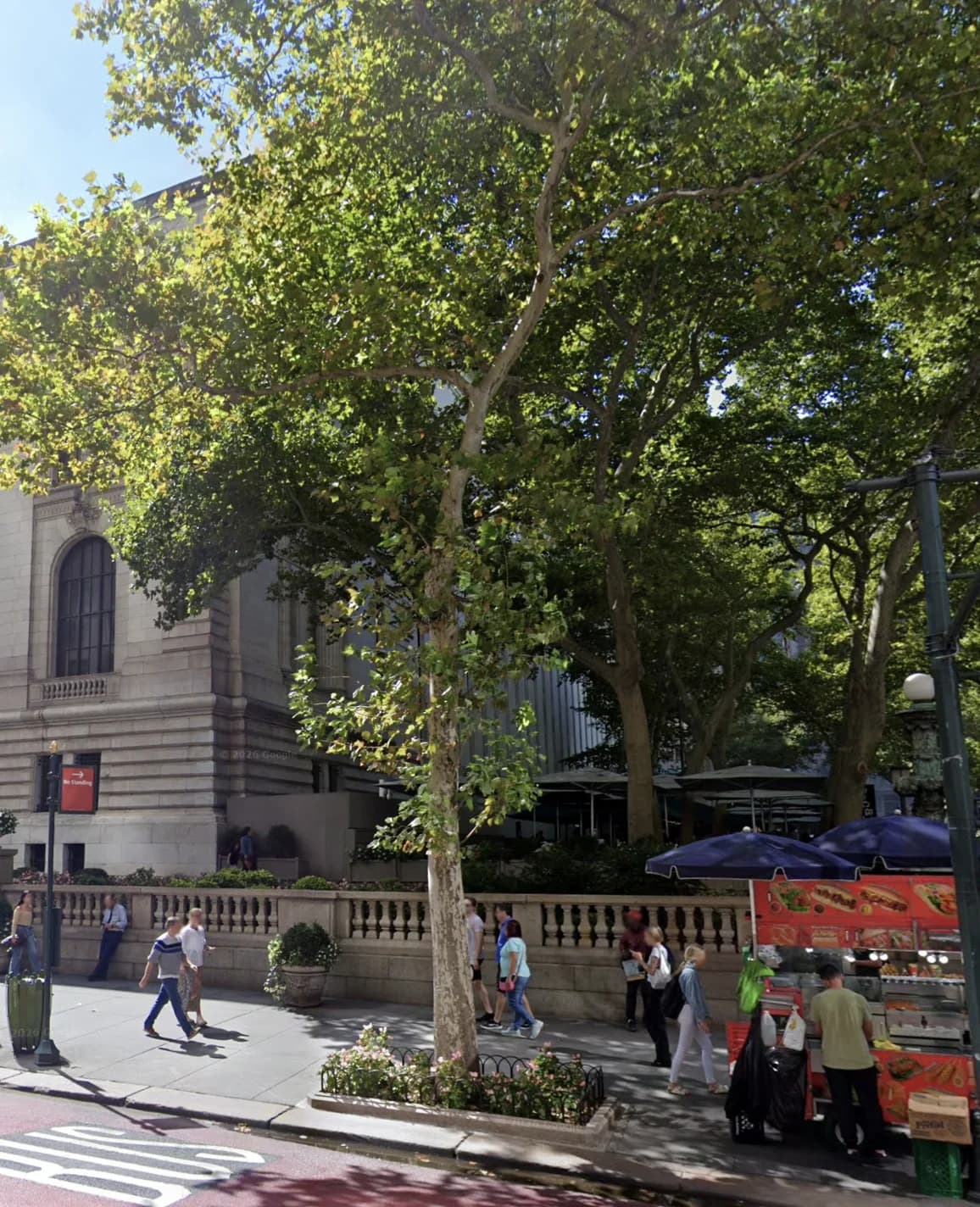
“The doctor spread its arms wide and let me rest in its shade. After seven days, I felt much less burned out.”
Lucy“I wanted a doctor who stayed calm during market volatility. This one had leaves.”
C.B.P.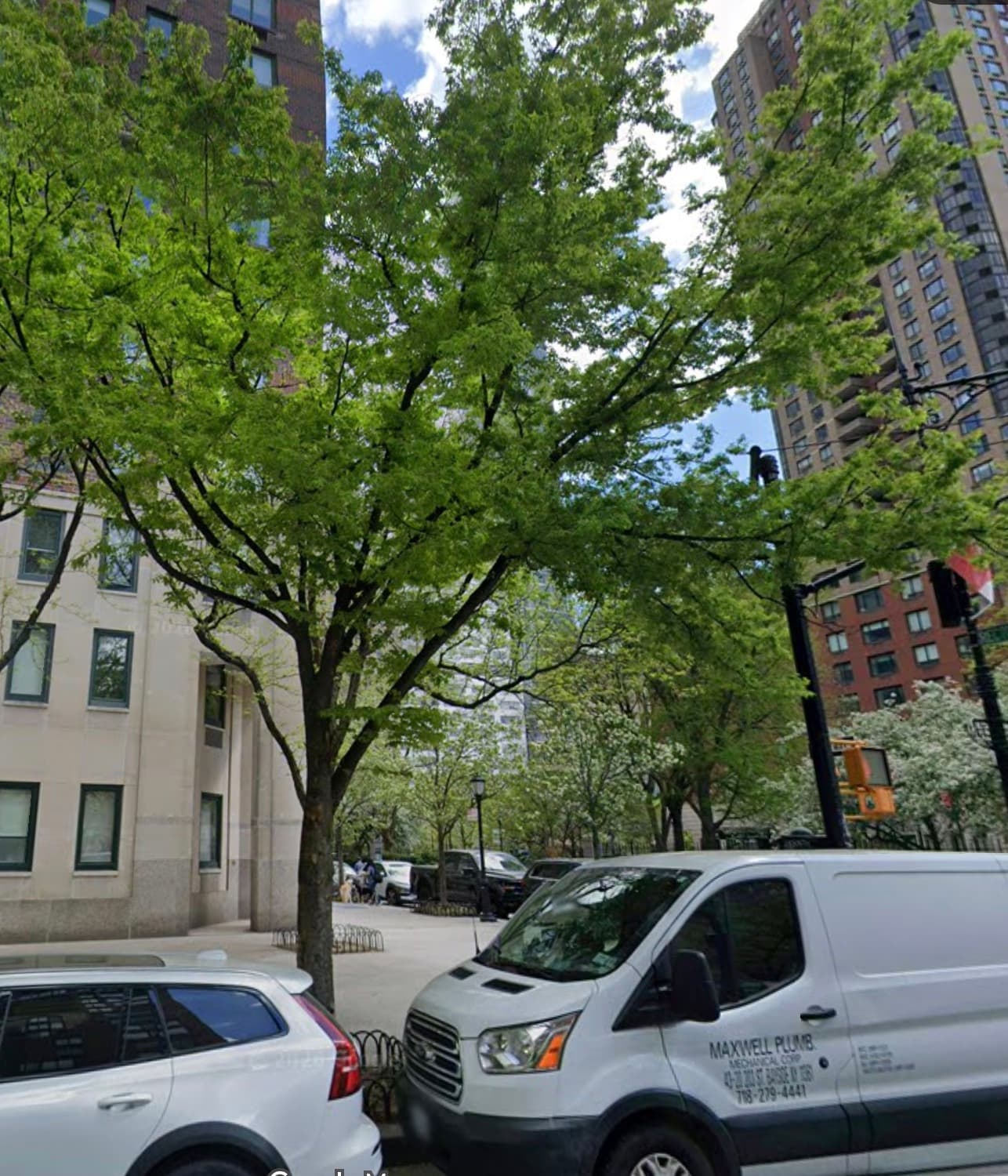
“I wanted a doctor who stayed calm during market volatility. This one had leaves.”
C.B.P.“I wanted a doctor who understood the patchiness. This one had some of its own.”
Staff’s pick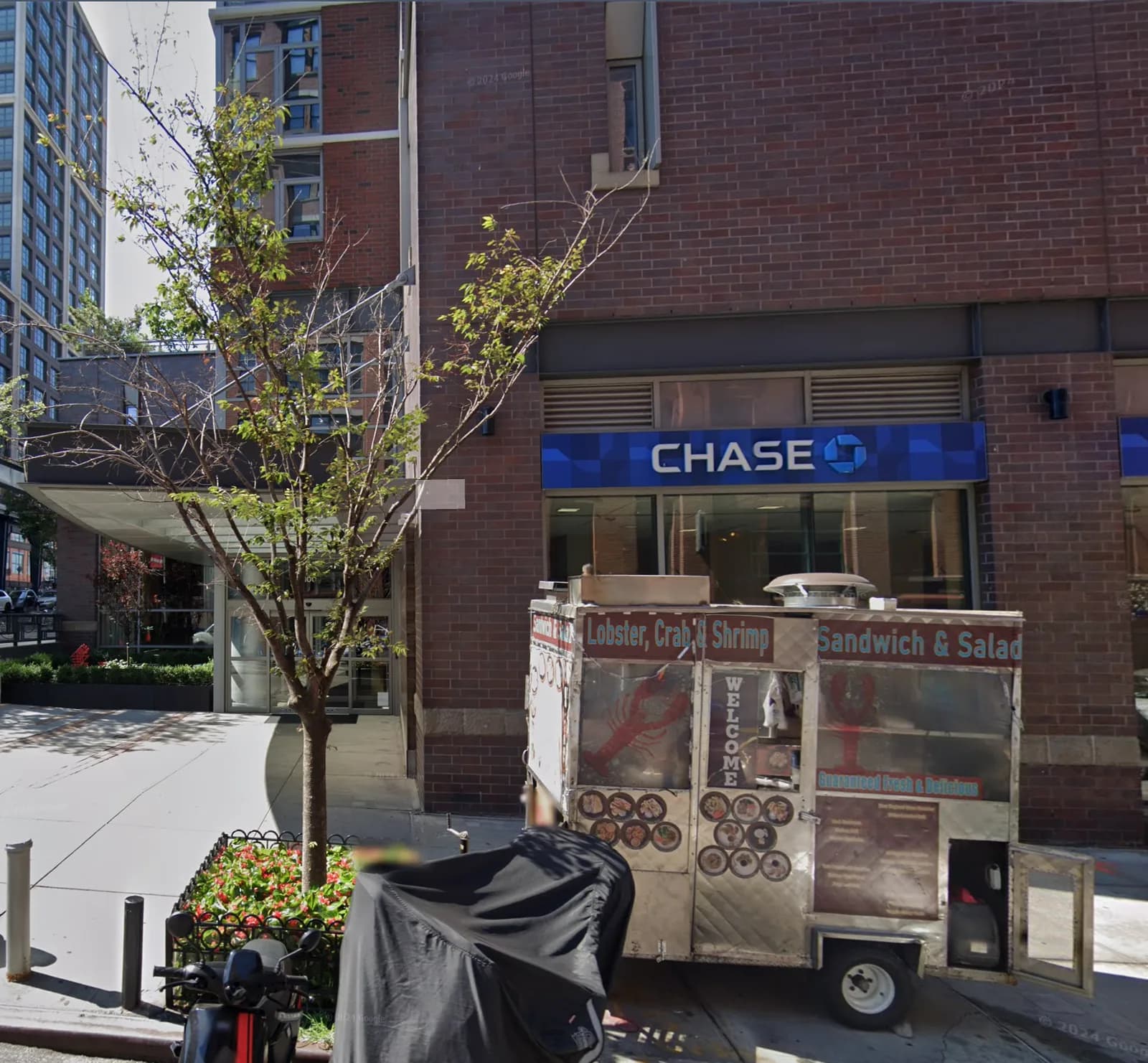
“I wanted a doctor who understood the patchiness. This one had some of its own.”
Staff’s pick“Sophora translated pollen, hives, triggers, and immune concerns into a care plan I could actually follow on the walk home.”

“Sophora translated pollen, hives, triggers, and immune concerns into a care plan I could actually follow on the walk home.”
“The Pin Oak took the long view: mobility, medicines, memory, and two shaded pauses before I tried to be brave at the curb.”

“The Pin Oak took the long view: mobility, medicines, memory, and two shaded pauses before I tried to be brave at the curb.”
“The zelkova made exposure visible. Rashes, irritation, sun, construction dust: my skin had been keeping notes before I had words for them.”

“The zelkova made exposure visible. Rashes, irritation, sun, construction dust: my skin had been keeping notes before I had words for them.”
Think of it as a neighborhood guide: Sophora helps with pollen trouble, Honeylocust handles adult primary care, Linden keeps nervous systems company, and Oak takes the long view.
Pollen-diplomatic, breath-aware, defense-ready species profiles for bodies negotiating city air.
Sophora flowers boldly and brings plenty of pollen into the season, so it feels like a natural fit for allergy and immune questions.
These are airy, resinous, wind-facing trees; pine scent, cypress breath, and Catalpa's broad leaves all point toward the lungs.
Tree Of Heaven and Sassafras are stubborn survivors, which makes them feel suited to fevers, wounds, and recovery.
Fragrant flowers put the nose and throat first, so these trees feel right for sinus, ear, and voice concerns.
Black Pine feels compact, tough, and ready at the curb, like the tree you would turn to for same-day triage.
Deep-rooted providers for pulse, pressure, oxygen, blood flow, and slow systemic repair.
Hawthorn already carries a heart-care reputation, so it belongs with pulse, pressure, and circulation.
The red names and red leaves make these trees feel close to blood, bruising, iron, and clot concerns.
Horse Chestnut has a familiar vein-and-circulation association, especially for legs and flow.
Sap-balanced and fruit-and-nut care for the systems that turn city stress, meals, and sleep into energy.
Maples bring sap, sugar, and seasonal energy to mind, which makes them feel tied to metabolism.
Fruit-bearing trees make the food connection immediate, so they sit naturally with nutrition and habits.
Apples, berries, and coffeetree beans all bring eating and after-meal comfort into the story.
Calm-canopy and focus-restoring profiles for nervous systems trying to stay soft inside a hard city.
Ginkgo is the obvious memory tree, with a long cultural link to focus, cognition, and the head.
Linden feels gentle and calming, the kind of tree you would sit under when your nervous system needs quiet.
These darker, quieter evergreens have a stillness that feels close to rest, shade, and sleep.
Strong-limb and long-view providers for bodies carrying weather, labor, repair, and age.
Ash, hornbeam, and ironwood are sturdy structural trees, so they feel right for bones, joints, and posture.
Yellowwood has a flexible, medicinal feel, which suits the slow work of joints, inflammation, and connective tissue.
Willow has the clearest pain-relief lineage here, thanks to its salicin association.
Quaking Aspen and Larch feel active and trail-ready, so they make sense for strains, knees, and recovery.
Shantung Maple sounds place-based and workaday, a good fit for city routines, commute strain, and job physicals.
Oaks and beeches feel old, steady, and watchful, exactly the mood of careful aging care.
Everyday clinical branches for root-to-canopy primary care, growing bodies, and preventive rituals.
Crepe Myrtle is a familiar neighborhood tree, approachable enough for everyday whole-family care.
These are common city generalists, steady enough for adult checkups, fatigue, and long-term conditions.
Cherry and Redbud have a spring, growth, and blossom feeling that suits children and adolescents.
Maackia and Katsura feel hardy and well-kept, which suits screenings, upkeep, and prevention.
Large blooms and seasonal change give these trees a strong life-stage feeling.
Bark-aware, rain-attentive, and follow-up-friendly trees for surfaces, fluids, and long-term monitoring.
Elm and Zelkova show their care on the surface: bark, texture, peeling, and repair.
Bright crowns and filtered light make these trees feel close to seeing, glare, and eye comfort.
Cottonwood and Alder like wet ground, so they feel right for fluid balance and kidney care.
River Birch already carries the idea of water and flow in its name.
Smoketree has an unusual, watchful presence that fits screening, follow-up, and survivorship care.